Today is Day One! Positive thinking can lead to positive life changes! It’s important to focus on the good and be grateful for what we have.
This morning in my reading, I came across an article that stressed the importance of the first 15 minutes of your day. It simply stated that your morning time determines your day; more precisely, how you spend the first 15 minutes. There were two suggestions.
The first was that you should not begin your day with anything negative (social media or the news were the examples listed). The second was that you spend at least 5 minutes praying or meditating, 5 minutes journaling (emotions/reflections & your 3 daily goals), and 5 minutes of exercise.
The point is not the amount of time spent, but rather the benefit of implementing daily positive change, and putting it first.
I think it’s a brilliant idea and plan to begin immediately. What do you think?
For YOU, an early Christmas gift, truly worth reading ~ Leo Tolstoy’s WHERE LOVE IS THERE GOD IS ALSO. The story is only handful of glorious pages from my December ‘walking around’ book. I picked up the book last December at Scott’s Antique Market, but busy with festivities, I neglected my reading. Grab a cup of coffee & settle in with me. I give you my word, you will enjoy it!
Project Gutenberg TRANSLATED FROM THE RUSSIAN BY NATHAN HASKELL DOLE NEW YORK; THOMAS Y. CROWELL COMPANY PUBLISHERS Copyright, 1887, By Thomas Y. Crowell & Co.
WHERE LOVE IS THERE GOD IS ALSO Count Lev Nikolayevich Tolstoy
IN the city lived the shoemaker, Martuin Avdyeitch. He lived in a basement, in a little room with one window. The window looked out on the street. Through the window he used to watch the people passing by; although only their feet could be seen, yet by the boots, Martuin Avdyeitch recognized the people. Martuin Avdyeitch had lived long in one place, and had many acquaintances. Few pairs of boots in his district had not been in his hands once and again. Some he would half-sole, some he would patch, some he would stitch around, and occasionally he would also put on new uppers. And through the window he often recognized his work.
Avdyeitch had plenty to do, because he was a faithful workman, used good material, did not make exorbitant charges, and kept his word. If it was possible for him to finish an order by a certain time, he would accept it; otherwise, he would not deceive you,—he would tell you so beforehand. And all knew Avdyeitch, and he was never out of work.
Avdyeitch had always been a good man; but as he grew old, he began to think more about his soul, and get nearer to God. Martuin’s wife had died when he was still living with his master. His wife left him a boy three years old. None of their other children had lived. All the eldest had died in childhood. Martuin at first intended to send his little son to his sister in the village, but afterward he felt sorry for him; he thought to himself:—
“It will be hard for my Kapitoshka to live in a strange family. I shall keep him with me.”
And Avdyeitch left his master, and went into lodgings with his little son. But God gave Avdyeitch no luck with his children. As Kapitoshka grew older, he began to help his father, and would have been a delight to him, but a sickness fell on him, he went to bed, suffered a week, and died. Martuin buried his son, and fell into despair. So deep was this despair that he began to complain of God. Martuin fell into such a melancholy state, that more than once he prayed to God for death, and reproached God because He had not taken him who was an old man, instead of his beloved only son. Avdyeitch also ceased to go to church.
And once a little old man from the same district came from Troïtsa(1) to see Avdyeitch; for seven years he had been wandering about. Avdyeitch talked with him, and began to complain about his sorrows.
“I have no desire to live any longer,” he said, “I only wish I was dead. That is all I pray God for. I am a man without anything to hope for now.”
And the little old man said to him:—
“You don’t talk right, Martuin, we must not judge God’s doings. The world moves, not by our skill, but by God’s will. God decreed for your son to die,—for you—to live. So it is for the best. And you are in despair, because you wish to live for your own happiness.”
“But what shall one live for?” asked Martuin.
And the little old man said:—
“We must live for God, Martuin. He gives you life, and for His sake you must live. When you begin to live for Him, you will not grieve over anything, and all will seem easy to you.”
Martuin kept silent for a moment, and then said, “But how can one live for God?”
And the little old man said:—
“Christ has taught us how to live for God. You know how to read? Buy a Testament, and read it; there you will learn how to live for God. Everything is explained there.”
And these words kindled a fire in Avdyeitch’s heart. And he went that very same day, bought a New Testament in large print, and began to read.
At first Avdyeitch intended to read only on holidays; but as he began to read, it so cheered his soul that he used to read every day. At times he would become so absorbed in reading, that all the kerosene in the lamp would burn out, and still he could not tear himself away. And so Avdyeitch used to read every evening.
And the more he read, the clearer he understood what God wanted of him, and how one should live for God; and his heart kept growing easier and easier. Formerly, when he lay down to sleep, he used to sigh and groan, and always thought of his Kapitoshka; and now his only exclamation was:—
“Glory to Thee! glory to Thee, Lord! Thy will be done.”
And from that time Avdyeitch’s whole life was changed. In other days he, too, used to drop into a public-house(2) as a holiday amusement, to drink a cup of tea; and he was not averse to a little brandy, either. He would take a drink with some acquaintance, and leave the saloon, not intoxicated, exactly, yet in a happy frame of mind, and inclined to talk nonsense, and shout, and use abusive language at a person. Now he left off that sort of thing. His life became quiet and joyful. In the morning he would sit down to work, finish his allotted task, then take the little lamp from the hook, put it on the table, get his book from the shelf, open it, and sit down to read. And the more he read, the more he understood, and the brighter and happier it grew in his heart.
Once it happened that Martuin read till late into the night. He was reading the Gospel of Luke. He was reading over the sixth chapter; and he was reading the verses:—
“And unto him that smiteth thee on the one cheek offer also the other; and him that taketh away thy cloak forbid not to take thy coat also. Give to every man that asketh of thee; and of him that taketh away thy goods ask them not again. And as ye would that men should do to you, do ye also to them likewise.”
He read farther also those verses, where God speaks:
“And why call ye me, Lord, Lord, and do not the things which I say? Whosoever cometh to me, and heareth my sayings, and doeth them, I will shew you to whom he is like: he is like a man which built an house, and digged deep, and laid the foundation on a rock: and when the flood arose, the stream beat vehemently upon that house, and could not shake it; for it was founded upon a rock. But he that heareth, and doeth not, is like a man that without a foundation built an house upon the earth; against which the stream did beat vehemently, and immediately it fell; and the ruin of that house was great.”
Avdyeitch read these words, and joy filled his soul. He took off his spectacles, put them down on the book, leaned his elbows on the table, and became lost in thought. And he began to measure his life by these words. And he thought to himself:—
“Is my house built on the rock, or on the sand? ‘Tis well if on the rock. It is so easy when you are alone by yourself; it seems as if you had done everything as God commands; but when you forget yourself, you sin again. Yet I shall still struggle on. It is very good. Help me, Lord!”
Thus ran his thoughts; he wanted to go to bed, but he felt loath to tear himself away from the book. And he began to read farther in the seventh chapter. He read about the centurion, he read about the widow’s son, he read about the answer given to John’s disciples, and finally he came to that place where the rich Pharisee desired the Lord to sit at meat with him; and he read how the woman that was a sinner anointed His feet, and washed them with her tears, and how He forgave her. He reached the forty-fourth verse, and began to read:—
“And he turned to the woman, and said unto Simon, Seest thou this woman? I entered into thine house, thou gavest me no water for my feet: but she hath washed my feet with tears, and wiped them with the hairs of her head. Thou gavest me no kiss: but this woman since the time I came in hath not ceased to kiss my feet. My head with oil thou didst not anoint: but this woman hath anointed my feet with ointment.”
He finished reading these verses, and thought to himself:—
“Thou gavest me no water for my feet, thou gavest me no kiss. My head with oil thou didst not anoint.”
And again Avdyeitch took off his spectacles, put them down on the book, and again he became lost in thought.
“It seems that Pharisee must have been such a man as I am. I, too, apparently have thought only of myself,—how I might have my tea, be warm and comfortable, but never to think about my guest. He thought about himself, but there was not the least care taken of the guest. And who was his guest? The Lord Himself. If He had come to me, should I have done the same way?”
Avdyeitch rested his head upon both his arms, and did not notice that he fell asleep.
“Martuin!” suddenly seemed to sound in his ears.
Martuin started from his sleep:—
“Who is here?”
He turned around, glanced toward the door—no one.
Again he fell into a doze. Suddenly, he plainly heard:—
“Martuin! Ah, Martuin! look to-morrow on the street. I am coming.”
Martuin awoke, rose from the chair, began to rub his eyes. He himself could not tell whether he heard those words in his dream, or in reality. He turned down his lamp, and went to bed.
At daybreak next morning, Avdyeitch rose, made his prayer to God, lighted the stove, put on the shchi(3) and the kasha,(4) put the water in the samovar, put on his apron, and sat down by the window to work.
And while he was working, he kept thinking about all that had happened the day before. It seemed to him at one moment that it was a dream, and now he had really heard a voice.
“Well,” he said to himself, “such things have been.”
Martuin was sitting by the window, and looking out more than he was working. When anyone passed by in boots which he did not know, he would bend down, look out of the window, in order to see, not only the feet, but also the face.
The dvornik(5) passed by in new felt boots,(6) the water-carrier passed by; then there came up to the window an old soldier of Nicholas’s time, in an old pair of laced felt boots, with a shovel in his hands. Avdyeitch recognized him by his felt boots. The old man’s name was Stepanuitch; and a neighboring merchant, out of charity, gave him a home with him. He was required to assist the dvornik. Stepanuitch began to shovel away the snow from in front of Avdyeitch’s window. Avdyeitch glanced at him, and took up his work again.
“Pshaw! I must be getting crazy in my old age,” said Avdyeitch, and laughed at himself. “Stepanuitch is clearing away the snow, and I imagine that Christ is coming to see me. I was entirely out of my mind, old dotard that I am!”
Avdyeitch sewed about a dozen stitches, and then felt impelled to look through the window again. He looked out again through the window, and saw that Stepanuitch had leaned his shovel against the wall, and was warming himself, and resting. He was an old, broken-down man; evidently he had not strength enough even to shovel the snow. Avdyeitch said to himself:—
“I will give him some tea; by the way, the samovar has only just gone out.” Avdyeitch laid down his awl, rose from his seat, put the samovar on the table, poured out the tea, and tapped with his finger at the glass. Stepanuitch turned around, and came to the window. Avdyeitch beckoned to him, and went to open the door.
“Come in, warm yourself a little,” he said. “You must be cold.”
“May Christ reward you for this! my bones ache,” said Stepanuitch.
Stepanuitch came in, and shook off the snow, tried to wipe his feet, so as not to soil the floor, but staggered.
“Don’t trouble to wipe your feet. I will clean it up myself; we are used to such things. Come in and sit down,” said Avdyeitch. “Here, drink a cup of tea.”
And Avdyeitch lifted two glasses, and handed one to his guest; while he himself poured his tea into a saucer, and began to blow it.
Stepanuitch finished drinking his glass of tea, turned the glass upside down,(7) put the half-eaten lump of sugar on it, and began to express his thanks. But it was evident he wanted some more.
“Have some more,” said Avdyeitch, filling both his own glass and his guest’s. Avdyeitch drank his tea, but from time to time glanced out into the street.
“Are you expecting anyone?” asked his guest.
“Am I expecting anyone? I am ashamed even to tell whom I expect. I am, and I am not, expecting someone; but one word has kindled a fire in my heart. Whether it is a dream, or something else, I do not know. Don’t you see, brother, I was reading yesterday the Gospel about Christ the Batyushka; how He suffered, how He walked on the earth. I suppose you have heard about it?”
“Indeed I have,” replied Stepanuitch; “but we are people in darkness, we can’t read.”
“Well, now, I was reading about that very thing,—how He walked on the earth; I read, you know, how He came to the Pharisee, and the Pharisee did not treat Him hospitably. Well, and so, my brother, I was reading yesterday, about this very thing, and was thinking to myself how he did not receive Christ, the Batyushka, with honor. Suppose, for example, He should come to me, or anyone else, I said to myself, I should not even know how to receive Him. And he gave Him no reception at all. Well! while I was thus thinking, I fell asleep, brother, and I heard someone call me by name. I got up; the voice, just as if someone whispered, said, ‘Be on the watch; I shall come to-morrow.’ And this happened twice. Well! would you believe it, it got into my head? I scolded myself—and yet I am expecting Him, the Batyushka.”
Stepanuitch shook his head, and said nothing; he finished drinking his glass of tea, and put it on the side; but Avdyeitch picked up the glass again, and filled it once more.
“Drink some more for your good health. You see, I have an idea that, when the Batyushka went about on this earth, He disdained no one, and had more to do with the simple people. He always went to see the simple people. He picked out His disciples more from among folk like such sinners as we are, from the working class. Said He, whoever exalts himself, shall be humbled, and he who is humbled shall become exalted. Said He, you call me Lord, and, said He, I wash your feet. Whoever wishes, said He, to be the first, the same shall be a servant to all. Because, said He, blessed are the poor, the humble, the kind, the generous.”
And Stepanuitch forgot about his tea; he was an old man, and easily moved to tears. He was listening, and the tears rolled down his face.
“Come, now, have some more tea,” said Avdyeitch; but Stepanuitch made the sign of the cross, thanked him, turned down his glass, and arose.
“Thanks to you,” he says, “Martuin Avdyeitch, for treating me kindly, and satisfying me, soul and body.”
“You are welcome; come in again; always glad to see a friend,” said Avdyeitch.
Stepanuitch departed; and Martuin poured out the rest of the tea, drank it up, put away the dishes, and sat down again by the window to work, to stitch on a patch. He kept stitching away, and at the same time looking through the window. He was expecting Christ, and was all the while thinking of Him and His deeds, and his head was filled with the different speeches of Christ.
Two soldiers passed by: one wore boots furnished by the crown, and the other one, boots that he had made; then the master(8) of the next house passed by in shining galoshes; then a baker with a basket passed by. All passed by; and now there came also by the window a woman in woolen stockings and rustic bashmaks on her feet. She passed by the window, and stood still near the window-case.
Avdyeitch looked up at her from the window, and saw it was a stranger, a woman poorly clad, and with a child; she was standing by the wall with her back to the wind, trying to wrap up the child, and she had nothing to wrap it up in. The woman was dressed in shabby summer clothes; and from behind the frame, Avdyeitch could hear the child crying, and the woman trying to pacify it; but she was not able to pacify it.
Avdyeitch got up, went to the door, ascended the steps, and cried:—
“My good woman. Hey! my good woman!”(9)
The woman heard him and turned around.
“Why are you standing in the cold with the child? Come into my room, where it is warm; you can manage it better. Here, this way!”
The woman was astonished. She saw an old, old man in an apron, with spectacles on his nose, calling her to him. She followed him. They descended the steps and entered the room; the old man led the woman to his bed.
“There,” says he, “sit down, my good woman, nearer to the stove; you can get warm, and nurse the little one.”
“I have no milk for him. I myself have not eaten anything since morning,” said the woman; but, nevertheless, she took the baby to her breast.
Avdyeitch shook his head, went to the table, brought out the bread and a dish, opened the oven door, poured into the dish some cabbage soup, took out the pot with the gruel, but it was not cooked as yet; so he filled the dish with shchi only, and put it on the table. He got the bread, took the towel down from the hook, and spread it upon the table.
“Sit down,” he says, “and eat, my good woman; and I will mind the little one. You see, I once had children of my own; I know how to handle them.”
The woman crossed herself, sat down at the table, and began to eat; while Avdyeitch took a seat on the bed near the infant. Avdyeitch kept smacking and smacking to it with his lips; but it was a poor kind of smacking, for he had no teeth. The little one kept on crying. And it occured to Avdyeitch to threaten the little one with his finger; he waved, waved his finger right before the child’s mouth, and hastily withdrew it. He did not put it to its mouth, because his finger was black, and soiled with wax. And the little one looked at his finger, and became quiet; then it began to smile, and Avdyeitch also was glad. While the woman was eating, she told who she was, and whither she was going.
Said she:—
“I am a soldier’s wife. It is now seven months since they sent my husband away off, and no tidings. I lived out as cook; the baby was born; no one cared to keep me with a child. This is the third month that I have been struggling along without a place. I ate up all I had. I wanted to engage as a wet-nurse—no one would take me—I am too thin, they say. I have just been to the merchant’s wife, where lives a young woman I know, and so they promised to take us in. I thought that was the end of it. But she told me to come next week. And she lives a long way off. I got tired out; and it tired him, too, my heart’s darling. Fortunately, our landlady takes pity on us for the sake of Christ, and gives us a room, else I don’t know how I should manage to get along.”
Avdyeitch sighed, and said:
“Haven’t you any warm clothes?”
“Now is the time, friend, to wear warm clothes; but yesterday I pawned my last shawl for a twenty-kopek piece.”(10)
The woman came to the bed, and took the child; and Avdyeitch rose, went to the partition, rummaged round, and succeeded in finding an old coat.
“Na!” says he; “It is a poor thing, yet you may turn it to some use.”
The woman looked at the coat and looked at the old man; she took the coat, and burst into tears; and Avdyeitch turned away his head; crawling under the bed, he pushed out a little trunk, rummaged in it, and sat down again opposite the woman.
And the woman said:—
“May Christ bless you, little grandfather!(11) He must have sent me to your window. My little baby would have frozen to death. When I started out it was warm, but now it has grown cold. And He, the Batyushka, led you to look through the window and take pity on me, an unfortunate.”
Avdyeitch smiled, and said:—
“Indeed, He did that! I have been looking through the window, my good woman, for some wise reason.”
And Martuin told the soldier’s wife his dream, and how he heard the voice,—how the Lord promised to come and see him that day.
“All things are possible,” said the woman. She rose, put on the coat, wrapped up her little child in it; and, as she started to take leave, she thanked Avdyeitch again.
“Take this, for Christ’s sake,” said Avdyeitch, giving her a twenty-kopek piece; “redeem your shawl.”
She made the sign of the cross, and Avdyeitch made the sign of the cross and went with her to the door.
The woman went away. Avdyeitch ate some shchi, washed the dishes, and sat down again to work. While he was working he still remembered the window; when the window grew darker he immediately looked out to see who was passing by. Acquaintances passed by and strangers passed by, and there was nothing out of the ordinary.
But here Avdyeitch saw that an old apple woman had stopped in front of his window. She carried a basket with apples. Only a few were left, as she had evidently sold them nearly all out; and over her shoulder she had a bag full of chips. She must have gathered them up in some new building, and was on her way home. One could see that the bag was heavy on her shoulder; she tried to shift it to the other shoulder. So she lowered the bag on the sidewalk, stood the basket with the apples on a little post, and began to shake down the splinters in the bag. And while she was shaking her bag, a little boy in a torn cap came along, picked up an apple from the basket, and was about to make his escape; but the old woman noticed it, turned around, and caught the youngster by his sleeve. The little boy began to struggle, tried to tear himself away; but the old woman grasped him with both hands, knocked off his cap, and caught him by the hair.
The little boy was screaming, the old woman was scolding. Avdyeitch lost no time in putting away his awl; he threw it upon the floor, sprang to the door,—he even stumbled on the stairs, and dropped his spectacles,—and rushed out into the street.
The old woman was pulling the youngster by his hair, and was scolding and threatening to take him to the policeman; the youngster was defending himself, and denying the charge.
“I did not take it,” he said; “What are you licking me for? Let me go!”
Avdyeitch tried to separate them. He took the boy by his arm, and said:—
“Let him go, babushka; forgive him, for Christ’s sake.”
“I will forgive him so that he won’t forget it till the new broom grows. I am going to take the little villain to the police.”
Avdyeitch began to entreat the old woman:—
“Let him go, babushka,” he said, “he will never do it again. Let him go, for Christ’s sake.”
The old woman let him loose; the boy started to run, but Avdyeitch kept him back.
“Ask the babushka’s forgiveness,” he said, “and don’t you ever do it again; I saw you take the apple.”
The boy burst into tears, and began to ask forgiveness.
“There now! that’s right; and here’s an apple for you.”
And Avdyeitch took an apple from the basket, and gave it to the boy.
“I will pay you for it, babushka,” he said to the old woman.
“You ruin them that way, the good-for-nothings,” said the old woman. “He ought to be treated so that he would remember it for a whole week.”
“Eh, babushka, babushka,” said Avdyeitch, “that is right according to our judgment, but not according to God’s. If he is to be whipped for an apple, then what ought to be done to us for our sins?”
The old woman was silent.
And Avdyeitch told her the parable of the master who forgave a debtor all that he owed him, and how the debtor went and began to choke one who owed him.
The old woman listened, and the boy stood listening.
“God has commanded us to forgive,” said Avdyeitch, “else we, too, may not be forgiven. All should be forgiven, and the thoughtless especially.”
The old woman shook her head, and sighed.
“That’s so,” said she; “but the trouble is that they are very much spoiled.”
“Then we who are older must teach them,” said Avdyeitch.
“That’s just what I say,” remarked the old woman. “I myself have had seven of them,—only one daughter is left.”
And the old woman began to relate where and how she lived with her daughter, and how many grandchildren she had. “Here,” she says, “my strength is only so-so, and yet I have to work. I pity the youngsters—my grandchildren—but what nice children they are! No one gives me such a welcome as they do. Aksintka won’t go to anyone but me. ‘Babushka, dear babushka, lovliest.’”
And the old woman grew quite sentimental.
“Of course, it is a childish trick. God be with him,” said she, pointing to the boy.
The woman was just about to lift the bag up on her shoulder, when the boy ran up, and said:—
“Let me carry it, babushka; it is on my way.”
The old woman nodded her head, and put the bag on the boy’s back.
And side by side they passed along the street.
And the old woman even forgot to ask Avdyeitch to pay for the apple. Avdyeitch stood motionless, and kept gazing after them; and he heard them talking all the time as they walked away. After Avdyeitch saw them disappear, he returned to his room; he found his eye-glasses on the stairs,—they were not broken; he picked up his awl, and sat down to work again.
After working a little while, it grew darker, so that he could not see to sew; he saw the lamplighter passing by to light the street-lamps.
“It must be time to make a light,” he said to himself; so he got his little lamp ready, hung it up, and he took himself again to his work. He had one boot already finished; he turned it around, looked at it: “Well done.” He put away his tools, swept off the cuttings, cleared off the bristles and ends, took the lamp, set it on the table, and took down the Gospels from the shelf. He intended to open the book at the very place where he had yesterday put a piece of leather as a mark, but it happened to open at another place; and the moment Avdyeitch opened the Testament, he recollected his last night’s dream. And as soon as he remembered it, it seemed as if he heard someone stepping about behind him. Avdyeitch looked around, and saw—there, in the dark corner, it seemed as if people were standing; he was at a loss to know who they were. And a voice whispered in his ear:—
“Martuin—ah, Martuin! did you not recognize me?”
“Who?” exclaimed Avdyeitch.
“Me,” repeated the voice. “It was I;” and Stepanuitch stepped forth from the dark corner; he smiled, and like a little cloud faded away, and soon vanished.
“And it was I,” said the voice.
From the dark corner stepped forth the woman with her child; the woman smiled, the child laughed, and they also vanished,
“And it was I,” continued the voice; both the old woman and the boy with the apple stepped forward; both smiled and vanished.
Avdyeitch’s soul rejoiced; he crossed himself, put on his spectacles, and began to read the Evangelists where it happened to open. On the upper part of the page he read:—
“For I was an hungered, and ye gave me meat; I was thirsty, and ye gave me drink; I was a stranger, and ye took me in.”
And on the lower part of the page he read this:—
“Inasmuch as ye have done it unto one of the least of these my brethren, ye have done it unto me.”—St. Matthew, Chap. xxv.
And Avdyeitch understood that his dream had not deceived him; that the Saviour really called on him that day, and that he really received Him.
~ You enjoyed it, didn’t you!?! I hope you have a very happy Christmas. Elizabeth Mozley Partridge
Christmas is around the corner, but it’s not too late to purchase a #book for the #bibliophile in your life! Available On Amazon #ElizabethMozleyPartridge
This past November, my husband and I were deep in conversation when our driver suddenly stopped due to traffic. As we looked out into the rainy streets of New York City, I was stunned to see Paley Park just steps away. She (because she is too beautiful to be anything else) was glossed with rain, just as she had been the first time we met in 2007. Time has a funny way of bending in on itself. So much has happened since then, but I am still the same girl; I still believe in all that is good. And, I know I am blessed.
When we returned home, I pulled out a copy of the book I wrote about my weeklong retreat in New York City ~ WE SHARE THE SAME SKY, A MEMOIR. And, I located the chapter where I mentioned my first introduction to Paley Park. I’ve included a partial entry here.
WE SHARE THE SAME SKY, A MEMOIR Elizabeth Mozley Partridge
2 Simplicity – free of complexity, refinement, or pretentiousness
For only a moment, I forget where I am. I have awakened to the sweet sound of rain, its drops playing out a song on the sill and making a tattoo of patterns on the glass, droplets that splat, gather and run. I’ve awakened in the past, on my old couch. How often I slept my lonesome weekends through.
There was that one soaking April I awakened to find the French doors of my living room standing open, thrown wide the night before to let in the breeze. I both loved and hated that white room, with its spacious doors set across the back. On the second story, it sat as if nestled within the limbs of trees. This morning the rain had made heavy the syrupy smell of warming wisteria and its scent had come inside with the wind to blanket the house. I had risen, prepared a pot of coffee, put Madeleine Peyroux and Miles Davis on the Hi-Fi.
I was determined that spring to make myself happy. Often, I’d waste the day away. Surrounding myself with cookbooks pulled from the shelf, I’d browse the stacks for something to cook, something to have waiting for the children when they returned from the weekend with their father.
So, I have claimed today as one of those days. It will be a day without destination, a day wasted away without purpose. But, really, in all things there is purpose.
Darting along the sidewalk, I sidestep a woman scolding her son for being late. These kids are still in school and will not be out for another week. Continuing the school year through June would be unbearable in Alabama. I turn, and cannot help but watch the woman. Having entered the store behind me, she continues with her barrage of corrections. Something in her tone reminds me of my mother. She is not really angry, but the voice holds the tone of determination.
Mother used to grab me by the shoulders, demand that I meet her gaze and then with an intensity that sank into my bones she would declare, “I want you strong and independent. I don’t want you scared to try things like I was.” She and my father loved me and my younger brother. That was obvious. But, we were never smothered with affection, never spoiled. The objective they sought in child rearing was clearly to produce two kids who were sure of themselves and independent.
Growing up in the country as we did, my brother and I became inseparable. The isolation created between us an amazing bond. But, it also fostered a desire to go solo. When sports began to consume Oba’s weekends, I was left alone in what had always been a shared adventure. Strangely, rather than feel this as a loss, it grew into an inexplicable love, an unequivocal joy. Instead of accepting invitations from girlfriends for a day shopping or burgers and a movie, I preferred instead to spend my days hiking to the lake that sat nestled in the woods, gather a pile of pine needles to make a soft place where I could curl up for several hours in the quiet and read. Other days, I’d throw a shovel in the back of our old truck, and spend hours riding the countryside searching old home places for daffodils. I learned early that I am very comfortable setting out on my own.
The sky rips open and rain begins to spill onto the city. The echo of thunder ricochets off the skyscrapers with alarming intensity! It is unlike any sound I’ve ever heard. I sprint to the nearest cover along with every other soul who didn’t have the foresight to bring an umbrella. Just as quickly as it came, the rain slackens, then tapers off to a slow drizzle. Covering my head with a jacket, I tiptoe through the puddling water on the sidewalk and continue skipping between shops, searching for shelter within each, seeking enjoyment that requires no thought, just an aimless filling of the senses with shape, color, sound and scent. There is no hurry, no course to follow, just the pure enjoyment of an overcast gray sky, the creamy glow of traffic lights, the rain itself bouncing between the buildings as it picks up pace again. There is nothing so soothing as the low sound of distant rolling thunder and the muted light of a dreary day.
I turn a corner onto an unknown road and find the fountain. I know instantly that it will be my favorite and so silently claim it as a place of my own. It reminds me of one in downtown Gadsden next door to the old Pitman Theater on Broad Street. I mark it in my mind so I can return later. I have stumbled upon Paley Park, established in May 1967, a month before my birth! The plaque near the entrance reads, “This park is set aside in memory of Samuel Paley, 1875-1963, for the enjoyment of the public.”
Two questions come: Why is no one here? and What day is it? The realization that I’ve begun to let my days blend together brings a sudden smile. I feel that I am making some sort of progress, but toward what I am unsure. Folding my jacket and placing it in a chair, I sit back to appreciate what can only be a temporary moment of seclusion. The backdrop of the park is the waterfall, a twenty-foot sheet of falling water. Cobblestone pavers cover the ground and, all around, ivy buffers the encasement provided by the opposing buildings. The park is filled with the green foliage of trees with which I am unfamiliar, and a profusion of potted yellow and white flowers. The wind having died down with the passing of the storm, now blows gently through the trees and birds reappear to bathe in the puddles that remain. Bending, I collect a white rock that seems so out of place. Pausing before pocketing it, I notice its jagged edges, its surprising heft, and the way its surface glints against the light.
For centuries, man has erected fountains. Originally begun as wells that provided the city with water, fountains later sprang up, creating a place to congregate, a place to relax. The longest recorded conversation between Jesus and another person took place at Jacob’s well with the woman of Samaria. The Persians are often credited with creating the first garden fountains and Romans the aqueducts and public baths.
Sitting here alone, reflecting on these things, two memories come to mind. I remember the sense of fulfillment I experienced when Anderson, my daughter, and I drank from the fountain on a hillside in Rome, where the cold water poured out onto the streets from the ancient aqueducts.
Though warned not to drink from it by our guide, we couldn’t resist; ambivalence must surely be an inherited trait! The other memory is of a time when having tired of a lecture on the relationship between Southern food and literature I’d made my way through the streets of Natchez, Mississippi where I stumbled upon St. Mary Basilica and its simple but gracious fountain that sat surrounded by old oaks. Rather than being overcome by the majesty of the sanctuary, I was taken instead with the unassuming oasis.
Neither of these memories are distant enough to have been forgotten or shelved, and yet they are seldom, if ever, recalled. But, they come to me now and the recollection of these happy times, these times I felt fulfilled, seem to ease the anxiety that has kept me in constant company these past months.
I cannot explain the need to revisit certain buildings and places, or why it is that they are of such importance to me, a Southerner. But, I think that the love for this city’s landmarks is a universal thing. Most people understand the importance of place to the human spirit. Just as individuals are unique, the characteristics of a place which appeal to us, those to which we attach some meaning or connection, are just as varied, just as distinctive. A place that holds no appeal to one person may be of inherent importance, almost sacred, to another. Yet, experiencing ties to a place and being drawn to one are very different; while we are drawn to those that supplement our soul, we become tied to the one that breathes of home. When people reside in an area to which they feel no attraction or sentimental connection there is often the recognition that something inherent and fundamental is missing. And so they search.
Elizabeth Mozley Partridge, an excerpt from WE SHARE THE SAME SKY, A MEMOIR All books available on Amazon.
“Place retains its significance to the human spirit because we tie to it the emotions of our memories.”
Elizabeth Mozley Partridge
WE SHARE THE SAME SKY, A MEMOIR was published and released January 14, 2014; a second edition published February 13, 2018. The work chronicles my solo sabbatical to New York City the summer of 2007 and revolves around the typical NYC experience: exploring neighborhoods and cultural enclaves; gorging at Manhattan’s famous and not-so-famous restaurants and bakeries; history on both well-known and unfamiliar city landmarks and icons. Woven throughout are reflections on growing up in the South -providing a refreshing and intimate look into the Southern female psyche.
The trip, which was originally based upon an exploration of the city’s ever-changing neighborhoods, became a journey of personal understanding. The memoir addresses the importance place plays on one’s cultural identity and the affect our beliefs have on the choices we make in our daily lives, for faith is the inextricable link that ties us all together.
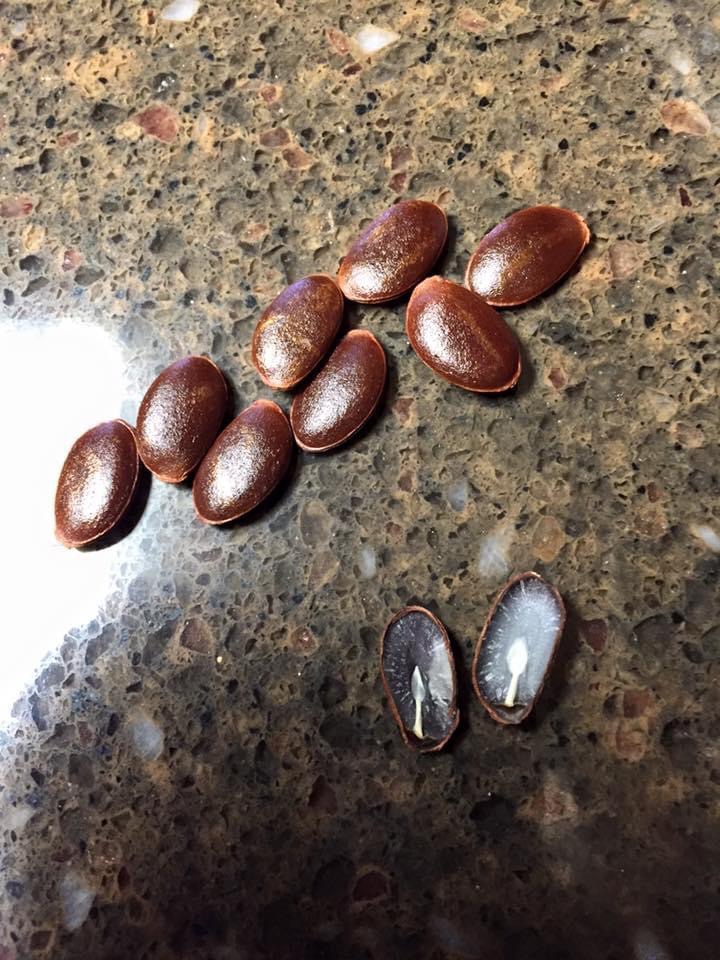
In the past, persimmon seeds have accurately forecast winter weather. Someone break them open, and tell me we will have a Southern snow soon! ~ A spoon = eating snow. A knife means chipping ice.
A whole lot of Southern & more than a little wicked~ DANCING ALONG THE FRINGES TO THE SIGN OF SILENCE!
REVIEW:
“Put down that Harlan Coben or James Patterson book you’re reading and instead pick up this novel by Elizabeth Mozley. Why? … Like any good Southern Gothic there are graveyards and bastard children and nostalgia for the past. Through the five women around which this story unfolds, Mozley examines the values of the South such as loyalty and deeply ingrained decorum. That is not to say that all is well in Memphis. With the mix of strong women and coarse men, violence is never far away and the bonds of loyalty fray. There are entanglements aplenty with the usual culprit at the center…money and sex. The passages of dialogue ring true and the pacing of the story keeps you turning the pages… If the old adage to write what you know is true, Mozley knows a thing or two… compelling dialogue makes an interesting movie. So what are you waiting for Hollywood? Option this book. It will be a hit on Netflix… Seriously, order it today.” Don Jacobson Available on Amazon https://www.amazon.com/Elizabeth-Mozley/e/B00J7KJWIU
~I began writing WE SHARE THE SAME SKY following my return from a summer trip I took alone to Manhattan the summer I turned forty. I was contemplating a major change in my life and knew that the time away would give me the space I needed to think and see things more clearly. With children in the house, money spent toward a trip for myself –rather than a family vacation- filled me with guilt. So, I needed a second reason, one that might alleviate what felt like self-indulgence. I decided to write about my week in the city and include the history of the boroughs and enclaves of Manhattan, the cultural beauty of the place, the ever-changing neighborhoods that continue to foster a sense of belonging for our immigrants.
While I expected to get caught up in the magic that is New York City, I didn’t expect my mind to constantly jump back to the South. Throughout these days of wandering, images of home and memories of my childhood kept pressing in on me, as if demanding recognition.
You see, I was missing family; I was missing place. There simply is no getting away from who you are or where you are from. Place retains its significance to the human spirit because we tie to it the emotions of our memories. Being Southern means having a relationship with the land, a relationship with nature.
Being away, immersed in that immense, fascinating city, I could more easily reflect on the past, the people and events that made me who I am. The week in Manhattan actually helped me reconnect.
I’ve heard it said that as children, we are closer to our true selves, that we know our passions. I think this is true. It is only later when we are busy being adults that we slip up and forget.
(Excerpt from WE SHARE THE SAME SKY) 9 “There is as much dignity in plowing a field as in writing a poem.” —Booker T. Washington
Awakening, I move about in a stupor and realize that the bed is unfamiliar. The pillow is unfamiliar. The sounds coming from outside my window –all are unfamiliar. Slowly remembrance sinks in and settles like freshly poured concrete. I am snuggled safely within the city I adore!
In the subdivision in Rainbow City where I live, there is a small farm down the street that sits so charmingly out of place. Grandfathered in when our neighborhood was developed, the old farmhouse and tiny field remain. Every morning I am graced with the sounds of the family’s rooster trilling and the donkey baying for his morning meal. Here, the glare through the window forces me awake. And yet, thanks to the sound ordinance, rarely does one hear the frustrated, incessant blaring of aggressive horns. I have over-slept and awakened with the capricious nature of an unruly child. Pulling aside the curtain, I take a peek outside, mouth a quiet thank you to Him.
Late last night, I listed everything I want to cram into my day. Far and wide, my desires are spread from Upper West Side through Midtown and Upper East Side. Locating my list on the map, I realize that I will be all over the place. But really, who cares? It is not as if I am following a dreaded agenda. Flip of a coin, shake of the Magic 8 Ball; perhaps I have been going about my decision making all wrong. So, sensibility will not dictate my path, at least not today!
Morningside Heights
Is there anything better than sliding into a taxi when you know you are in for a long day? I don’t think so. As I get in and arrange my things, I notice the driver is talking on the phone. Hating to be rude, I jot down the address and hand it to him, trying to smile. He never makes eye contact and never hangs up the phone. Ill-mannered people get on my nerves and my pet peeve is rude cell phone use. Maintaining my silence, I sit behind him and seethe, wanting to tell him to please get off the phone and drive because frankly, he is scaring the hell out of me. I fantasize about reaching from behind and snatching the phone from his hand and flinging it hard out the window –something my father would do. And yet, I know that when he lets me out, I will tip the inconsiderate jerk anyway. My mother reminded me several weeks ago that unless one speaks their mind when they are displeased, they have no right to be resentful. Regardless, I am full. And, I am irritated with myself for letting something shake the sense of inner peace I awakened with. In the South, protestant church signs post words of wisdom each week. My favorite is the adage “He who angers you, controls you.”
The driver drops me intact at The Morningside Heights Greenmarket located at 116th Street and Broadway. While planning, I discovered that the market is sponsored by Columbia University and Barnard College. Amazed by the selection of fresh produce in the city, I find myself constantly comparing it to what we have back home. Surprisingly, it seems there are many more open markets available here.
Quickly, I purchase a pint of the plumpest blueberries and wish for some fresh yogurt. The apples are gorgeous. There is one variety that looks similar to those my grandmother Libby called horse apples. Although the skin of these apples is not the prettiest, they always have a good tart taste that makes them perfect for apple pie and apple butter.
Looking over the boxes before me, I think back on my fifth grade year when before morning announcements or even the pledge was completed, I was hauled into the Principal’s office to stand before Dr. Leftwich.
“It has been rumored,” she said “that you have been stealing apples from a nearby yard and selling them on the bus. Miss Mozley, being industrious is one thing, but thievery is quite another.”
My grandmother always reminded me to pause before answering and so I did. I knew that the man who owned the place had seen me a couple of afternoons as he sat out on his back porch. The tree I had chosen the day before was close enough that I had noticed he was drinking tea and cracking pecans as he read The Gadsden Times. I also knew that he didn’t mind or he would have said something. I even hoped that he liked me, although I never saw him smile. Yes, he liked me and he appreciated the fact that I enjoyed his trees, his apples. After all, he had dropped the paper to below eye level and watched as I gathered them in my shirt and climbed back over his fence.
He was not the one who reported me. I knew this. But regardless of who had, I was either in for a good scolding or a paddling. But, not both; Dr. Leftwich was known for giving one or the other. My only hope was that she wouldn’t call Papa. Double or nothing I thought, then replied, “Yes, ma’am. I’ve been doing just that.”
The following day –because she did not paddle me or even call my father –I left a rosy store-bought apple on her desk. I didn’t think a note was necessary.
What is it about picking your own produce that makes the taste more intense? My children swear that the apples they pick from our trees to bake each morning are better than those from the store and I believe them.
Apples purchased from the grocer sit prettily in the glass dish on our dining room table almost forgotten. It is as if they are there for the eye rather than the palate.
Each year, the children and I look forward to visiting an orchard. For years, we picked our own from an elderly gentleman’s backyard in Riverside. Posted near the bushel baskets was a sign listing the cost, and sitting below on a porch step was an old rusted coffee can where you deposited your money. Some of the trees that grew along the back row of his orchard seemed to be as old as the man himself. Laden with a full load, the sagging limbs were propped up with felled hardwood. When the old man passed away the property was sold, his bountiful trees cut, the land leveled and landscaped. The children and I mourned, then set out in search of another orchard. We headed north.
I had found a listing for a large family-owned orchard in North, Alabama. After a long morning drive, we arrived to find the place boarded up. Disappointed we turned back, but decided the return trip should be a different route, in the hope of coming across something of interest along the way. What we found was a North Alabama Indian mound. The gate, drawn shut and locked, held a sign posted no trespassing, but the children and I pretended not to see. We quickly parked the car and walked to the mound by way of a neighboring cotton field, full and white.
Catching sight of the mound, Anderson and Isaac stopped at once. I walked to where they stood, looking on with awe at the vision that lay before us.
A prehistoric Native American relic of the Mississippian culture, it was an amazing thing to see, just sitting there modestly in a field of lolling green pasture, surrounded by a pearlescent ocean of cotton and the distant emerald foliage of hardwood trees. In silence we climbed the mound, stood and gazed across the land. With unspoken reverence, we turned and descended quietly, then walked back through the high cotton to where we had parked.
Several miles down the road, we happened upon a very small family owned orchard. Although we didn’t get to pick the apples ourselves, no one seemed to care. We bought several bushels and an antique apple peeler to make our work easier. That evening, we set about slicing and filling the dehydrator racks sprinkling each layer with cinnamon; the remaining apples we baked and then topped with homemade vanilla ice cream.
Memories of time spent with my children bring only happiness. I say a quiet thank you. Because of them, I have much to be grateful for. Isaac’s cotton seeds are still in the backseat compartment of my car! When this thought comes, I cannot help but laugh outright.
I continue to pick up an apple from each selection, admire its uniqueness and fresh smell. I think of a quote from Walden, of Thoreau and his reflections on the farm he almost bought but didn’t. He laments, “I have frequently seen a poet withdraw, having enjoyed the most valuable part of a farm, while the crusty farmer supposed that he had got a few wild apples only.” Now this I understand. But, when he admonishes “…As long as possible live free and uncommitted. It makes but little difference whether you are committed to a farm or the country jail.” I am want to disagree. To own and work a piece of land is to take pride in something that becomes an extension of self; a sense of accomplishment fills the soul of the weary possessor at days end.
Moving around the selections, I watch and listen to the interactions between the farmers and the locals and wish that I was staying somewhere that would allow me to purchase what I really want so that I might cook a meal early in the evening. Within arms reach are the most delectable Roma tomatoes I’ve ever seen accompanied by a beautiful purplish heirloom. I wish I could gather them up, take them back to the room, slice them, dehydrate them and pack them in oil or buy a couple of crisp ones still good and green, to fry.
There is also pineapple, freshly cut. If only I had several slices of a good homemade white bread and some mayonnaise. Is it only Southerners who eat pineapple sandwiches and hot tomato biscuits? Recognizing true hunger, my stomach rumbles at the thought.
The idea of dinner alone makes me miss being at home, cooking and dining with the children. They would be thrilled with this marketplace.
We often shop the farmer’s market in Birmingham. Not so much for the fresh produce –even though the offerings are amazing with over 200 farmers participating- but for all the other phenomenal vendors. Isaac’s favorite is a table of sliced cakes, presented by The Bakery at Cullinard. Anderson heads immediately for the croissants and chocolate sauce offered at another stand. Shelves of homemade preserves, jellies and jams call to me.
In our area, the weekend flee markets are where most folks shop for serious produce purchases. These are located closer to Gadsden, our hometown. We frequent Collinsville on Saturdays and Mountain Top on Sundays. Visiting a trade day in the South requires rising early. The best vendors arrive and begin setting up around 4:30 a.m. then pack up around noon. Collinsville Market is located in a small rural town of the same name. It is surrounded by beautiful green sprawling hills of farmland and the distant ridge of the lower Cumberland Plateau. Prettiest in the lambent light of the early hours, the view competes with the winsome sounds of farm animals. The smell of sausage biscuits and fresh coffee drift far and wide.
Regional pride has led to many a foolish notion. Admittedly, I always believed that Southerners held a closer relationship to the land and therefore held the prime pickings when it came to produce. Looking about, I acknowledge that I’ve been proven wrong on both counts. Before walking away, I watch a small family load their purchases into four worn arm baskets; supple, they easily bend and allow the carrying of much weight. What is it they will cook for dinner tonight? What are their traditions, and is this trip to the market one of them? I think on our family’s beloved catfish Sundays. Grandpa farmed and fished all week. GrandMosie began cooking early that morning while we attended our various churches. Gathering at their house after services, we children fought over the fried fish with the longest crisp tails. We gnawed them down to the nub before beginning on the flesh, filled our plates repeatedly, then lazed away the afternoon waiting for stomach pains to pass. It was a happy gathering. What a shame that in today’s haste, many have let the tradition of Sunday supper with extended family all but slip away.
I watch the father help his wife, guide her gently through the throngs of people. He is protective of her, she of the children.
Breathing deeply and enjoying the early morning air, I decide to move on. It occurs to me that all of this walking, where the wanderings of body and thoughts meld, has helped clear my mind. Physical exertion, be it calisthenic or aerobic, alleviates depression and anxiety. Wandering is much like pacing in that it requires constant yet thoughtless movement; while the body moves about as if by its own accord, the mind is free. For me, this is proving therapeutic and provides time to reflect on the important things, to examine what exactly it is that has brought me here, not just to this city, but to this juncture in my life. Perhaps with realization, healing and creativity can begin again. It is not that I have become blind to the limitless joy God places in the smallest of things, rather I have become distracted by circumstance. Time to wander, to think, to remember and reflect –without these we lose something fundamental and vital to self.
DAYS THAT RAN LONG
Standin’ here, Hands spread Across faded green, I listen undeterred To moans and groans behind me Of ungodly ugliness. I care not For I’ve found a treasure That’s less than grand sight And slick worn feel Bring back dusty memories Of skinned knees, stringy hair, Days that ran long and knew untold endin’s. Who would’ve known That city folk congregated in search Of fine Wedgwood and walnut Would find themselves subjected To grandeur so rural, That’s beckonin’ calls to those Whose memories once held rough edges Hewn by hard work and time. It stands there inquirin’ Remember me? Remember The gatherin’s… I become absorbed In its green flat formica And long since lost its shine chrome- Where many times did Families coagulate When such things were so, To feast on meals Pulled from the ground, wrung by the neck Then presented to kin whose presence Represented true survival Of hell and brimstone storms Characteristic of a glorious Southern Sunday morn.
Up early for a walk in light rain & stopping often to jot down quotes for BORN TO SUN. I’m standing here in the road wearing a mask (allergens in the Deep South are deadly) & on my phone. But, clearly I have no choice for once the characters are created, they never stop talking. And, if I don’t pause to write it down, it is gone.
This morning it is the voice of Auntie (Ms. Fomby) who will not be quiet.
“I have walked through life with a wounded heart and it has made what could have been beautiful, miserable.” Ms. Fomby, ‘Auntie’
The setting ✔️ #DauphinIsland
The plot ✔️ #WontTell
The characters ✔️~ The more they talk, the more concrete & real they become. You have to have the main plot down first, otherwise these people take over! And THAT is what makes #writing wonderful.







 Elizabeth Mozley Partridge, Alabama Author